How to Explain a Pet’s Passing to Kids: A Gentle Guide Full of Love and Understanding
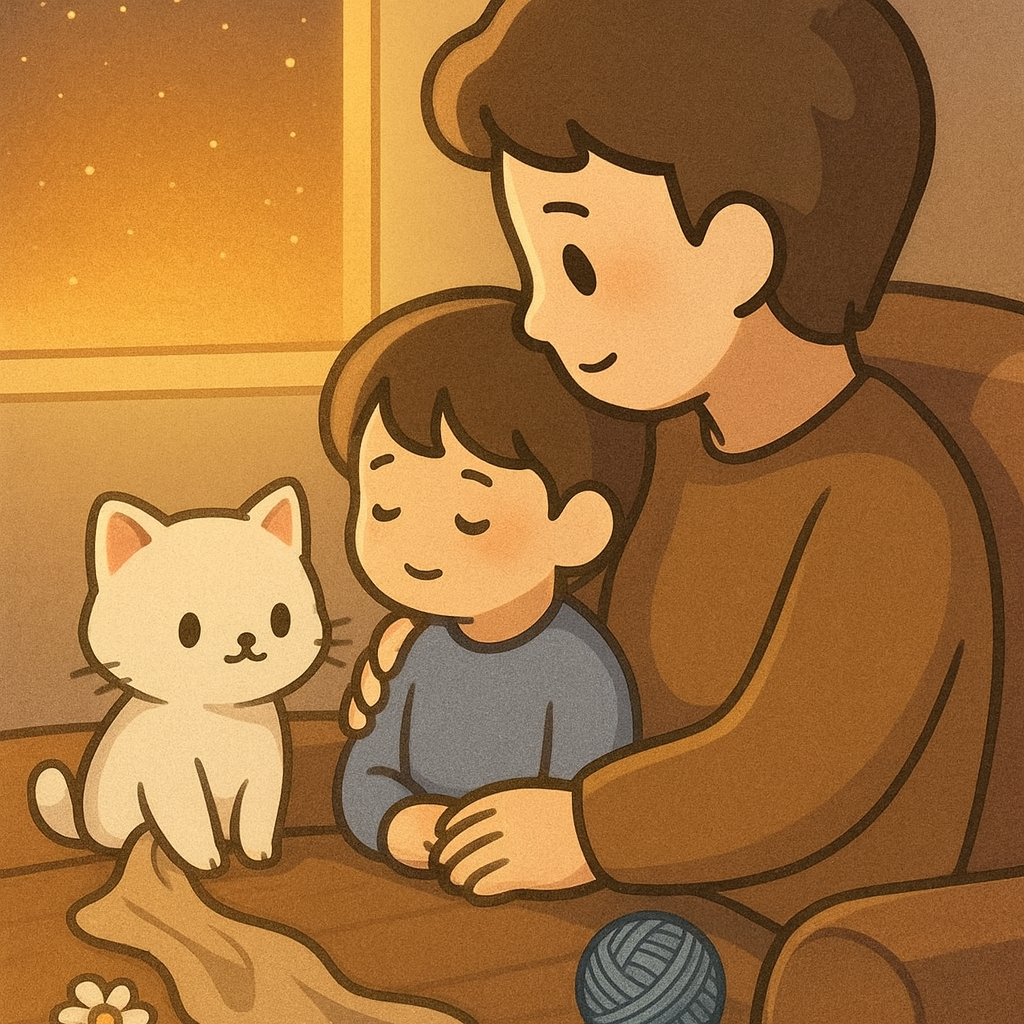
When a beloved pet passes away, we often feel at a loss. Explaining this to the children around us feels even more heartbreaking and challenging. This guide aims to help you accompany your child through this special period with love, honesty, and compassion.
Losing a cherished family pet leaves many parents struggling with how to break the news to their kids. Our instinct to protect children from pain may tempt us to use vague lies like “it went to a faraway place.” However, psychologists generally advise that honest, age-appropriate communication—combined with love and ritual—is the healthiest way to help children process grief.
Below is a step-by-step guide you can refer to:
Step 1: Choose the Right Moment and Start the Conversation
- Stay calm: Talk to your child when your own emotions are relatively stable. It’s okay if you cry—this shows your child that sadness is a normal response.
- Pick a familiar setting: Have the conversation in a quiet, comfortable place at home, such as the living room or your child’s bedroom.
- Begin directly yet gently: Use clear, simple language. Avoid confusing euphemisms like “it fell asleep” or “it went away to a distant land.”
- Example script: “Sweetie, Mommy has some very sad news to share. Our beloved puppy Doudou was very sick today, and its body has stopped working—it has passed away. That means we won’t be able to see it again, but we can always remember it and love it forever.”
Step 2: Use Age-Appropriate Language and Concepts
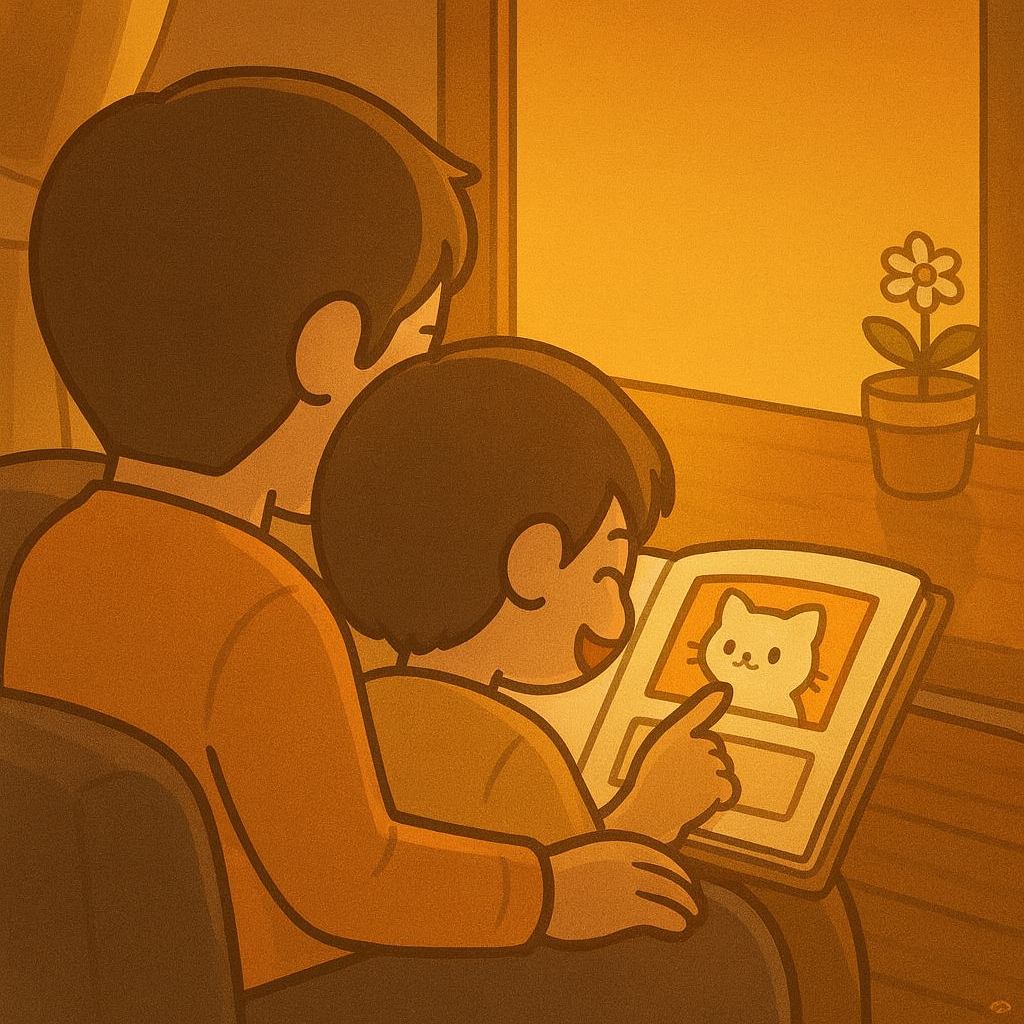
- For toddlers (3-5 years old):Use extremely concrete, simple words. They may not understand the permanence of death.Use picture books to illustrate the concept. Explain that the pet’s body “has stopped working” and that it will no longer feel pain, hunger, or loneliness.
- For children (6-10 years old):They start to grasp the permanence of death. Discuss it more openly—for example, death due to old age, illness, or accident.Encourage them to ask questions and answer honestly. If you don’t have an answer, say openly: “I don’t know either, but we can miss it together.”
- For teenagers (11+ years old):They understand death almost as adults do. Have deeper conversations, share your feelings, and listen to their thoughts.
Step 3: Encourage Emotional Expression and Questions
- Validate their feelings: Tell your child that feeling sad, angry, confused, or even numb is normal. You might say: “Missing Doudou makes you feel sad, doesn’t it? Mommy feels sad too.”
- Answer “why”: Explain the reason in simple terms. “It was very old, just like leaves fall from trees in autumn—its body naturally stopped working.” Emphasize that no one is to blame.
- Create a safe space: Let them know you’re always ready to listen if they want to talk about the pet, anytime.
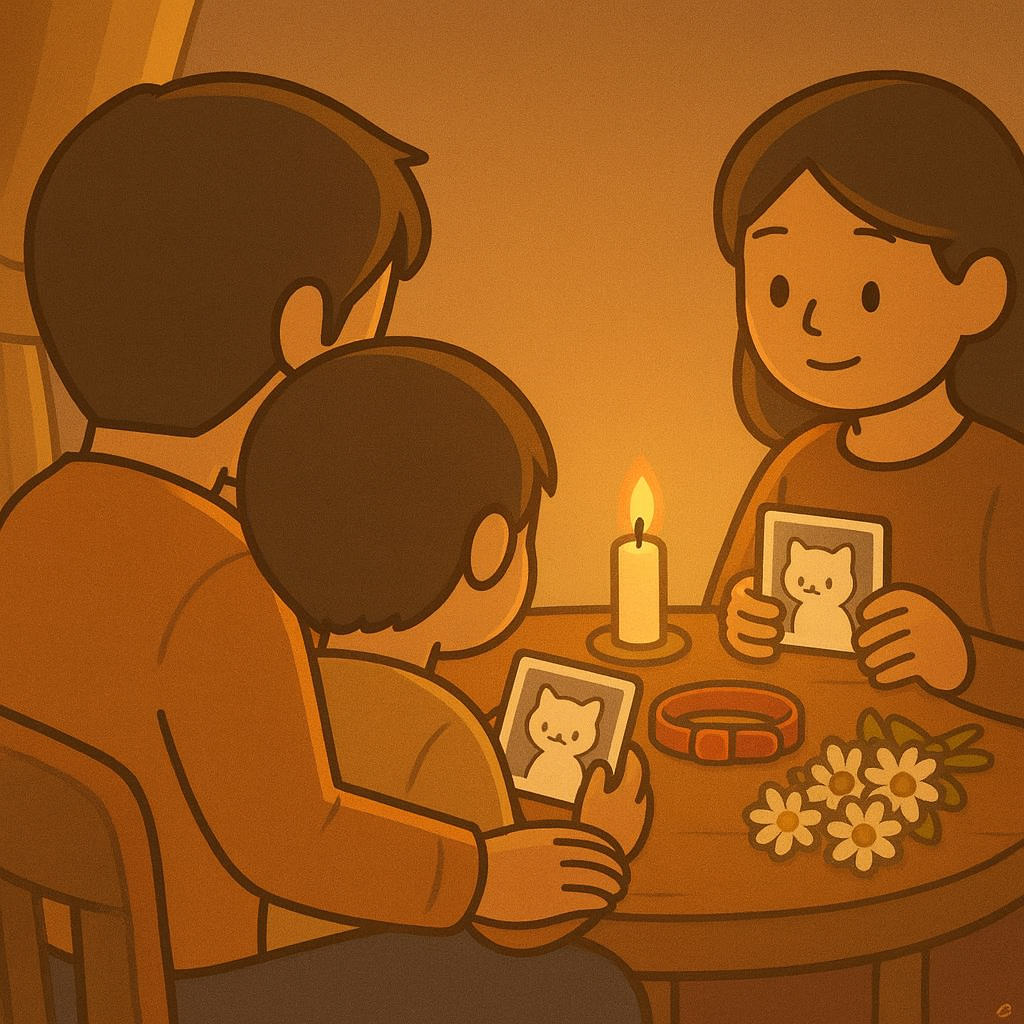
Step 4: Say Goodbye and Commemorate with Rituals
Rituals provide children with a clear emotional outlet and help them accept the reality.
- Hold a small farewell gathering: Recall happy moments with the pet together. Each person can share a word of gratitude or goodbye.
- Create keepsakes:
- Draw a picture together: Sketch a beautiful scene of your family with the pet.
- Make a memory box: Collect photos, the pet’s collar, and its favorite toys, then place them in a special box.
- Plant a memorial plant: Grow a flower or tree in the garden to symbolize the continuation of life.
- Customize a permanent memento: There are many ways to do this. Some families choose lasting keepsakes to cherish memories—for example, embedding a lock of the pet’s fur in an exquisite crystal pendant, or having an artisan recreate the pet’s appearance from a photo. This isn’t about forgetting; it’s about giving that tangible love a gentle home to accompany your child as they move forward.
Step 5: Ongoing Support and Love
- Maintain daily communication: In the following weeks or months, regularly check in with your child about their feelings of missing the pet.
- Share happy memories: Take the initiative to talk about funny stories of the pet, remembering the joy it brought with a smile.
- Watch for unusual signs: If your child experiences persistent low mood, sleep problems, or regressive behavior, consider seeking help from a professional child psychologist.
Conclusion
Explaining death to a child is one of the most profound lessons in life education. Through your honesty, patience, and love, you’re not only helping your child navigate loss—you’re teaching them to face life’s changes bravely and cherish precious memories. This education of love will be a precious treasure for their lifetime.
